Sedation Dentistry in Oklahoma City, Oklahoma
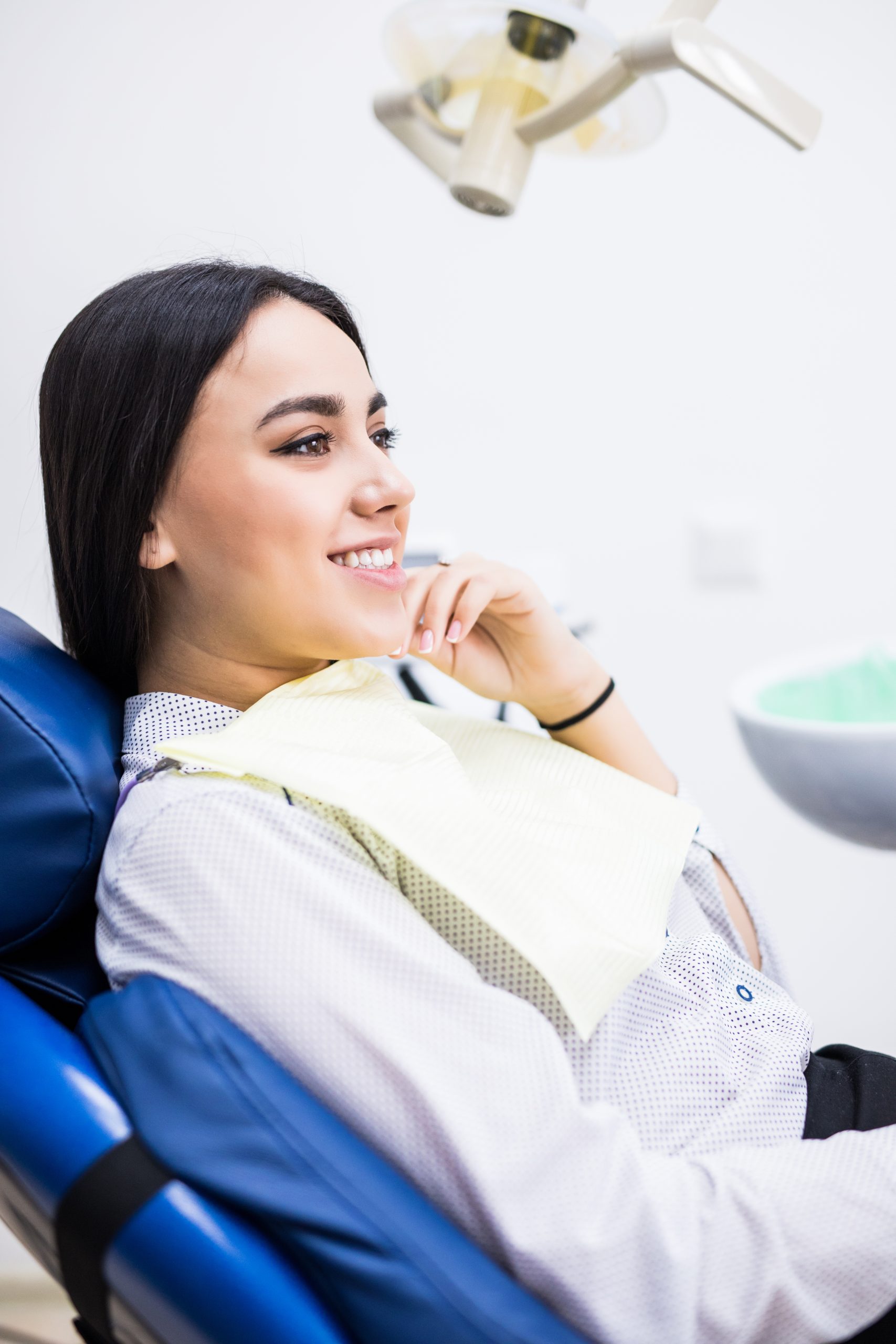
If fear, anxiety, a strong gag reflex, or a difficult past experience keeps you from the dentist, getting the care you need can feel overwhelming. At Providence Dental, Dr. Londan Davis and our team understand that dental anxiety is real. We take your concerns seriously and never want you to feel judged for being nervous.
Our dental office in Oklahoma City, Oklahoma, offers oral conscious sedation for eligible adults who need extra help feeling comfortable during dental treatment. We combine sedation dentistry with a calm environment, clear explanations, and personal attention. Our goal is to help you receive dental care at a pace that feels manageable.
Sedation Dentistry in Oklahoma City, Oklahoma
Sedation dentistry uses medication to help patients feel calmer during dental work. It may be helpful if dental visits cause significant stress or if you have avoided care because of dental phobia.
Sedation may also be considered for patients who have a strong gag reflex, difficulty sitting through a lengthy procedure, or anxiety about complex procedures such as a root canal or dental implants.
Some common reasons patients explore dental sedation include:
- Dental Anxiety: Fear or severe dental anxiety makes it difficult to schedule or complete treatment.
- Past Dental Experiences: A difficult previous experience has made returning to a dental office stressful.
- Strong Gag Reflex: Sensitive gag reflexes can make certain dental procedures difficult to tolerate.
- Extensive Dental Work: Longer or more involved treatment may feel overwhelming.
- Difficulty Getting Comfortable: Sitting through treatment can be physically or emotionally challenging for some patients.
The benefits of sedation dentistry vary. We consider your anxiety level, medical history, dental procedure, and overall health before recommending any type of sedation.
Oral Conscious Sedation
Providence Dental provides oral conscious sedation for appropriate adult patients, administered under the guidance of Dr. Londan Davis, who completed the adult oral conscious sedation course through DOCS Education. Oral sedation uses prescribed medication to help you enter a relaxed state while remaining conscious.
For our oral conscious sedation protocol, we prescribe one pill that you take about one hour before your appointment according to our specific instructions. Because the medicine affects alertness and coordination, you must have a responsible adult drive you to the appointment and take you home afterward.
You may feel very sleepy and relaxed during treatment. The medication also has an amnesic effect for many patients, meaning you may have little memory of the procedure afterward. However, individual responses vary, and we cannot promise that you will remember nothing.
Oral conscious sedation is different from general anesthesia or deep sedation. It may provide mild sedation or a more moderate sedation experience depending on the medication, dose, and individual response.
What to Expect at Your Sedation Appointment
Comfort is an important part of the experience at Providence Dental. We encourage you to wear comfortable clothes on the day of your appointment. Blankets, pillows, and headphones are available upon request to help you settle in.
A member of our dental team will support you from the time you arrive until you are safely buckled into your driver’s vehicle after treatment. We also review your health history, medications, and relevant medical conditions before providing sedation. Appropriate monitoring may include vital signs such as blood pressure and heart rate.
Sedation helps address anxiety and relaxation, but it does not replace local anesthesia. When needed, local anesthesia is used to numb the area receiving treatment. After oral sedation, you should follow our recovery instructions and avoid driving or returning to normal activities until it is safe to do so.
STA Wand for More Comfortable Injections
For some patients, dental anxiety is closely connected to a fear of needles. Providence Dental uses the STA Wand, a computer-controlled system that allows us to deliver local anesthesia slowly and precisely.
The STA Wand is not dental sedation. Instead, it controls how anesthetic is delivered into the treatment area. This controlled approach can make injections more comfortable for many patients.
We do not promise pain-free dental care. Instead, we use comfort-focused techniques and technology to make the experience easier whenever possible.
Types of Dental Sedation
There are several types of sedation used in dentistry. They provide different levels of relaxation and are not appropriate for every patient.
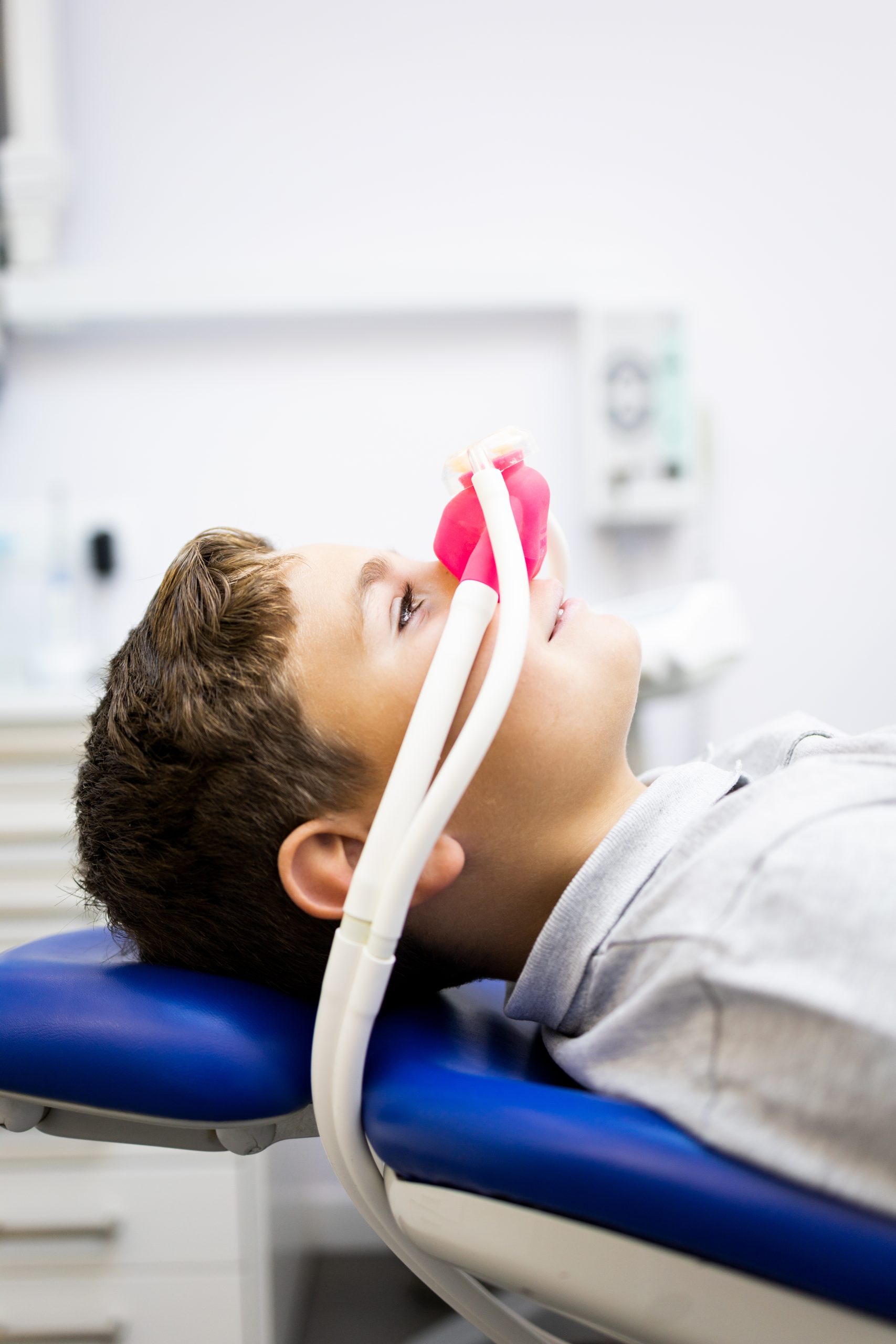
Nitrous oxide, commonly called laughing gas, is a form of light sedation breathed through a small mask. Nitrous oxide is different from the oral conscious sedation protocol offered at Providence Dental. With laughing gas, the effects generally wear off quickly after the gas is stopped and pure oxygen is administered.
Moderate sedation produces a deeper level of relaxation while the patient remains responsive. Deep sedation places a patient into a much deeper state, while general anesthesia causes unconsciousness and requires different training, monitoring, and clinical resources.
Terms such as “sleep dentistry” and “twilight sleep” are sometimes used when discussing kinds of sedation, but they can be confusing. We prefer to explain the actual sedation type being considered and what you can expect.
Who Can Benefit From Sedation Dentistry?
Sedation dentistry may help adults who have postponed needed dental care because of fear or severe dental anxiety. It can also help certain patients who become overwhelmed during longer appointments or have sensitive gag reflexes.
However, oral sedation is not right for everyone. Your medical conditions, medications, health history, planned dental treatment, and level of anxiety all matter.
Dr. Londan Davis, who completed his oral conscious sedation training through DOCS Education, reviews these factors before determining whether oral conscious sedation may be appropriate. If another level of sedation, an oral surgeon, or another setting would better meet your needs, we will explain that clearly.
Our goal is not to provide the strongest sedation possible. It is to find an appropriate level of comfort while keeping your safety at the center of the personalized plan.
Sedation Safety and Continuing Education
Dr. Londan Davis completed the adult oral conscious sedation course through DOCS Education, a nationally recognized training program for dentists who provide oral sedation. Dental sedation requires careful screening and clear instructions. Before treatment, tell us about your medications, allergies, medical history, and any changes in your health.
Side effects can occur with sedation medications, and responses differ between patients. Following instructions about medication, food, drinks, transportation, and recovery is important.
Providence Dental values continuing education and follows developments in sedation dentistry through professional education and resources from organizations such as the American Dental Association and the Oklahoma Dental Association.
Frequently Asked Questions
Will I be asleep during oral conscious sedation?
Usually not. Oral conscious sedation is different from general anesthesia, so you remain conscious and can generally respond when needed, though you may feel sleepy and deeply relaxed. The medication can also reduce your memory of the procedure, and your experience depends on the medication, dose, and how your body responds.
Do I need someone to drive me to my sedation appointment?
Yes. Because you take your prescribed medication before arriving, it can affect your alertness and coordination, so a responsible adult must drive you to your appointment and take you home afterward. You should not drive yourself or make important decisions while the medication remains active.
Can sedation dentistry help with a strong gag reflex?
It may help some patients, since a strong or sensitive gag reflex can make certain dental procedures harder to tolerate and sedation may help you relax and manage treatment more easily. We consider your gag reflex, anxiety level, medical history, and planned procedure before deciding whether sedation is appropriate for you.
Is laughing gas the same as oral conscious sedation?
No. Laughing gas is another name for nitrous oxide, which is inhaled through a small mask, while oral conscious sedation involves taking prescribed medication by mouth before treatment. The two options have different effects and recovery requirements, and Providence Dental’s in-office sedation approach for eligible adults is oral conscious sedation.
How much does sedation dentistry cost at Providence Dental?
Cost depends on the type of sedation used and the treatment being performed, so there is no single price that applies to every patient. Our team reviews an estimated cost with you during your consultation and can discuss payment options before you decide how to move forward.
Who is a good candidate for oral conscious sedation?
Good candidates are generally healthy adults who feel anxious about dental visits, have a strong gag reflex, or need a longer or more involved procedure completed comfortably. We review your medical history and current medications before determining whether oral conscious sedation is appropriate for you.
Comfortable Dental Care Without Judgment
Dental anxiety can make taking care of your oral health difficult, especially when fear has kept you away from the dentist for a long time. You do not need to feel embarrassed about that when you come to Providence Dental.
Our Oklahoma City team will listen to what makes dental treatment difficult for you and explain your options without pressure. From oral conscious sedation and the STA Wand to blankets, pillows, headphones, and a team member who stays attentive throughout your visit, comfort is built into the way we care for you.
Call Providence Dental at (405) 691-0836 to schedule a consultation and talk with our team about sedation dentistry. We will listen to your concerns, review your health and treatment needs, and help you determine whether oral conscious sedation may make receiving dental care feel more manageable.