Full-Arch Implant Solutions in Oklahoma City, Oklahoma
Losing most or all of your teeth can change how you eat, speak, and feel about your smile, whether it happened gradually or after a specific dental problem. At Providence Dental in Oklahoma City, OK, Dr. Londan Davis and our team offer full-arch implant solutions for patients who want to explore a more stable way to replace an entire row of missing teeth.
Our Oklahoma City, Oklahoma, dental office takes an education-first approach to implant care. We explain what we see, review your options, and give you time to make an informed decision. Full-arch dental implants are not right for everyone, so your oral health, medical history, bone structure, and treatment goals all matter. Patients often tell us that understanding each stage of treatment ahead of time makes the decision easier.
For the right patient, dental implants can create a stable foundation for a full set of prosthetic teeth. Treatment can be used for the entire upper arch, lower arch, or both arches based on your individual needs. Depending on your case, Dr. Londan Davis may complete parts of your treatment in our office or coordinate with a trusted oral surgeon for the surgical placement stage.
Full-Arch Dental Implants in Oklahoma City, Oklahoma
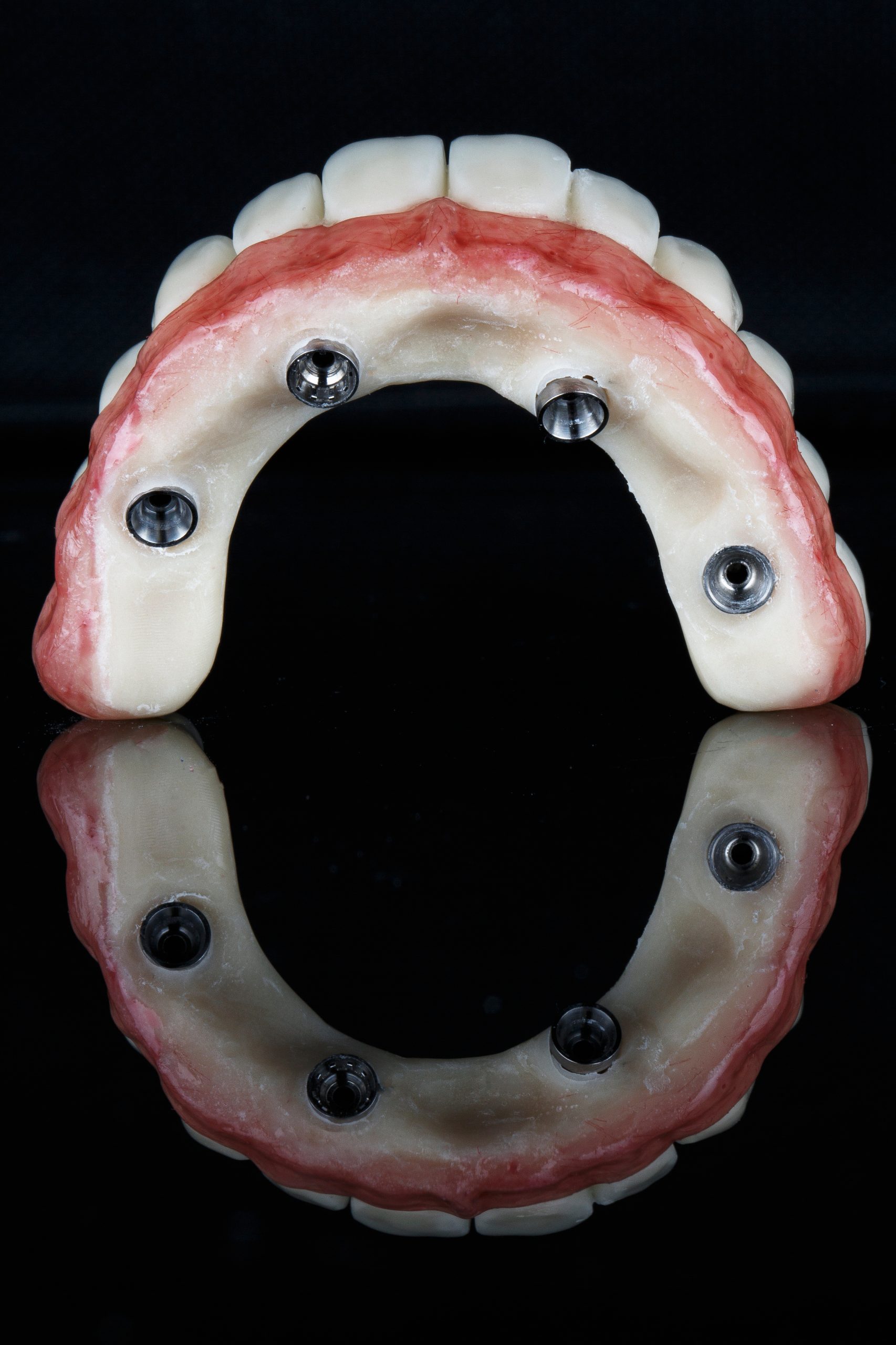
Full-arch dental implants are designed to replace a full arch of teeth using several implants for support. Instead of placing an individual implant for every missing tooth, a planned number of implants can support a connected set of teeth.
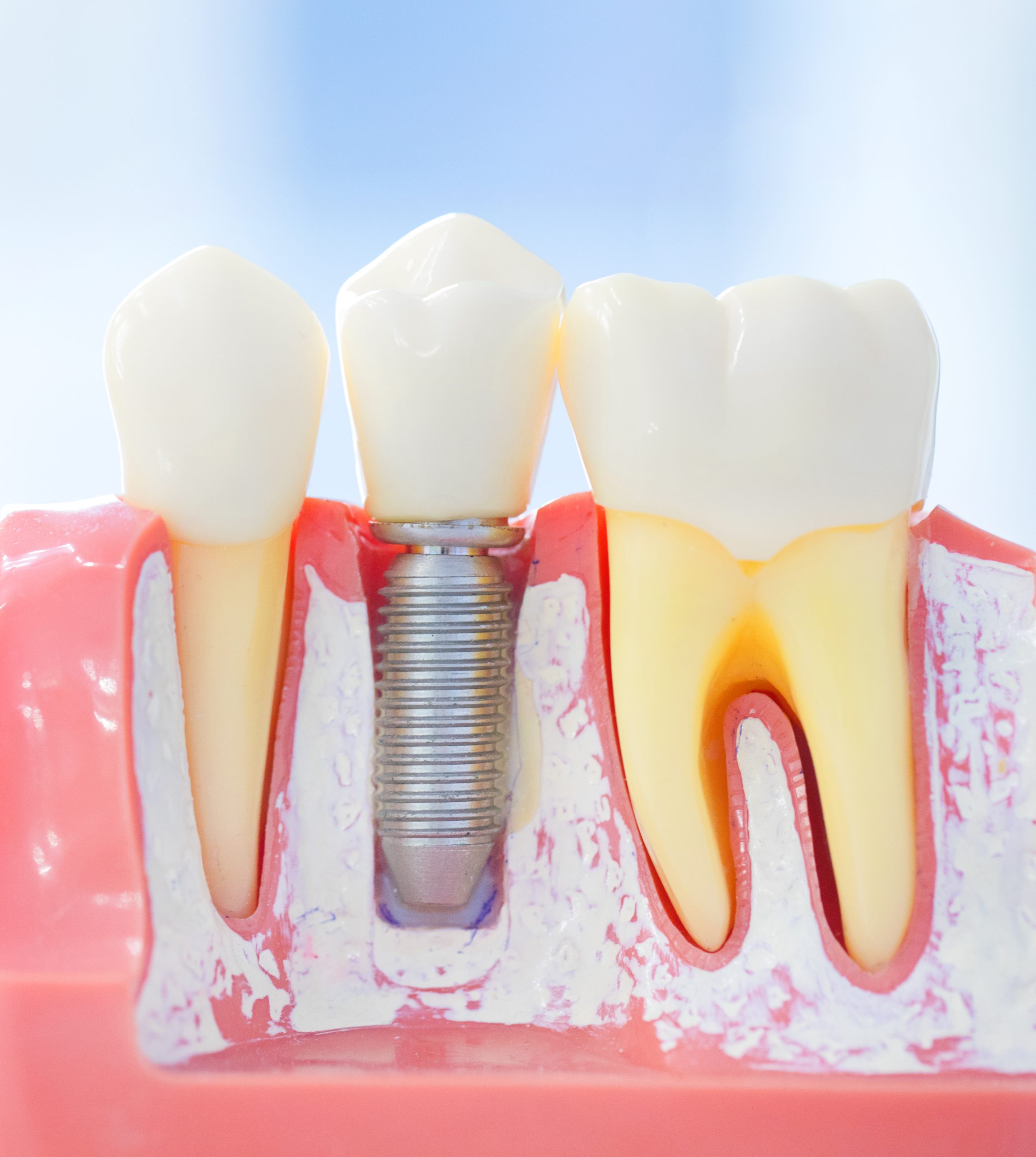
This approach is different from traditional dentures or removable dentures, which generally rest on the gums. Implant-supported prosthetic teeth connect to implants placed in the jawbone, creating a secure foundation for the restoration.
One approach you may hear about is All-on-6. This term generally describes a full-arch implant treatment that uses six dental implants to support a full set of replacement teeth. However, six implants are not automatically the right number for every patient. The number of implants and their locations depend on your anatomy, bone density, treatment plan, and other clinical factors.
Our goal is not to fit every patient into one system. We evaluate your needs and explain which implant solutions may be appropriate for you.
How Full-Arch Implant Treatment Works
Treatment begins with a comprehensive consultation. We review your dental concerns, medical history, remaining natural teeth, gums, and jawbone structure. Imaging can give us more information about bone density and help with planning.
If full-arch implant treatment is appropriate, Dr. Londan Davis will discuss whether treatment can be completed in our office or whether coordinating with a trusted oral surgeon for the surgical stage is the better option for your case. Titanium implants are positioned in the jaw to support the prosthetic teeth, and advanced technology such as a surgical guide may help plan their position and angle. The surgical phase may involve local anesthesia and, when appropriate, sedation options, and patient comfort is a priority throughout.
After placement, a healing period allows the bone and implants to develop a stable connection, and temporary teeth may be used during some treatment plans while the area heals. Once the implants are ready, we can complete the final restoration. Treatment steps and healing times vary, so we will explain what applies to your individual care rather than promising the same timeline for every patient.
All-on-6 and the Number of Implants
All-on-6 is one type of full-arch implant approach. As the name suggests, it generally involves using six implants to support an entire arch of prosthetic teeth.
Why not replace every tooth with its own implant? When an entire arch needs replacement, carefully positioned implants can work together to support a connected restoration. This may reduce the need for an individual implant for every tooth.
Implant location is also important. Depending on the treatment plan, implants in the posterior (back) regions of the mouth may be positioned to provide support for the restoration. The available bone in the upper or lower jaw helps determine what may be possible.
“All-on-6” should not be treated as a promise that every patient will receive exactly six implants. Our team considers your anatomy and needs before recommending a full-arch dental treatment plan.
Full-Arch Implants vs. Traditional Dentures
Both implant-supported teeth and conventional dentures can replace a complete set of teeth, but they work differently. Traditional dentures generally sit along the gum line and are removable. Some patients may use messy adhesives to help improve denture stability. Full-arch dental implants use implants in the jaw to support the replacement teeth, which can provide greater stability during everyday activities.
That stability may make it easier for some patients to eat a wider variety of foods, though implant-supported teeth are not the same as natural teeth and there may still be limits on what you should bite or chew. There are also differences in treatment: dentures do not require implant surgery, while full-arch implant treatment involves a surgical phase, a healing period, and typically a greater initial investment.
Neither option is automatically the best way to replace teeth. Your oral health, preferences, budget, anatomy, and goals should all be considered.
Bone Loss and Full-Arch Implant Treatment
Bone is an important part of implant planning because dental implants depend on the jaw for support. After tooth loss, the jawbone can change over time. The amount and location of bone loss vary from person to person.
We use imaging to evaluate your bone structure before recommending implant placement. If there is not enough bone in a planned location, treatment may need to be adjusted. Some patients may require additional procedures, while other implant strategies may make use of available bone.
Dental implants can also transfer chewing forces to the jawbone. This is one reason bone preservation is often discussed as a potential benefit of implant treatment.
Still, modern implant technology cannot eliminate every concern related to bone loss. A careful evaluation is needed to determine whether full-arch implants may be appropriate for your anatomy.
Types of Anesthesia and Sedation Available for Full-Arch Implant Procedures
Comfort is an important part of planning a full-arch implant procedure. Local anesthesia is commonly used to numb the treatment area so patients do not feel sharp sensations during implant placement. Our team will explain what to expect and make sure the area is properly numb before treatment begins.
For patients who feel anxious or need additional help staying comfortable, sedation options may also be considered. Depending on the patient and the procedure, sedation may range from lighter forms that help you relax to deeper sedation provided under appropriate monitoring. The right approach depends on your medical history, anxiety level, treatment needs, and the length of the procedure.
At Providence Dental, we do not take a one-size-fits-all approach to comfort. We review your health history, discuss any concerns you have about treatment, and explain which anesthesia or sedation options may be appropriate. If another qualified medical or dental professional needs to be involved in your sedation care, we will discuss that as part of your treatment plan.
Living With Full-Arch Implant Restorations
A full-arch implant restoration is designed to provide a functional smile and stable support for replacement teeth. For some patients, improving their ability to eat, speak, and smile comfortably can also support quality of life.
Implant-supported teeth still need proper care. Plaque and bacteria can collect along the gum line and around implant restorations. Daily cleaning and regular professional dental care remain important for protecting the gums and tissues around the implants.
Our team will explain how to clean your specific restoration. We also monitor the implants and prosthetic teeth during follow-up visits for changes or signs of wear.
No treatment can promise a permanent smile or a definitive solution for every person. Full-arch implant restorations can require maintenance, repair, or replacement over time. Setting clear expectations is an important part of helping you make a confident decision.
Frequently Asked Questions
Who may be a candidate for full-arch dental implants?
Full-arch dental implants may be considered for adults who are missing most or all teeth in an arch or whose remaining teeth have a poor long-term outlook. Your oral health, overall health, medical history, bone density, and ability to maintain the restoration all matter. A comprehensive consultation is needed to determine candidacy.
How long does the procedure for full-arch implants usually take?
The full-arch implant process usually takes place over several stages rather than one appointment, and a healing period is often needed after placement before the final restoration is completed. The total timeline can vary based on your oral health, bone structure, and treatment plan, and we will explain your expected timeline before treatment begins.
Will I have teeth during the healing period?
Temporary teeth may be possible during certain full-arch implant treatment plans, but this depends on implant stability, your oral health, and other clinical factors. We will explain what to expect before treatment begins, including whether a temporary restoration may be used and when your final restoration can be placed.
Are full-arch implants removable like traditional dentures?
Some implant-supported restorations are designed to remain attached and are removed only by a dental professional, while other implant-supported designs may be removable. Traditional dentures generally rest on the gums and are removed by the patient. We will explain the design, cleaning needs, and maintenance involved with any option we recommend.
What are the latest technologies or advancements in full-arch implant solutions?
Modern full-arch implant treatment may use 3D imaging, digital scans, computer-guided planning, and surgical guides to help plan implant placement. These tools can give our team a detailed view of your bone structure and help determine the position and angle of the implants. The technology used depends on your anatomy, oral health, and treatment plan.
How much do full-arch implant solutions cost at Providence Dental?
Cost depends on factors such as the number of implants, whether bone grafting is needed, and the type of final restoration, so there is no single price that applies to every patient. Our team reviews an estimated cost with you during your consultation and can discuss payment options before you decide how to move forward.
Explore Full-Arch Implant Solutions With Providence Dental
Replacing an entire set of teeth is a major decision. You deserve clear information about the benefits, limitations, healing process, alternatives, and costs before choosing your next step.
At Providence Dental, our Oklahoma City team combines restorative dentistry with a calm, personal approach. We will evaluate your needs, explain whether full-arch dental implants or an All-on-6 approach may be appropriate, and give you space to ask questions. Whether you live in Oklahoma City, OK, or a nearby community such as Edmond, Norman, or Moore, our goal is to help you understand your choices and not pressure you into treatment.
Call Providence Dental at (405) 691-0836 to schedule a consultation for full-arch implant solutions. Our team will listen to your concerns, review your options, and help you determine whether implant-supported teeth may be right for your smile.