Dentures in Oklahoma City, Oklahoma
Missing teeth can make everyday life more difficult. You may avoid certain foods, notice changes in your speech, or feel uncomfortable when you smile. Tooth loss can also affect how your remaining teeth work together. At Providence Dental in Oklahoma City, OK, Dr. Londan Davis and our team help patients explore denture options with clear information and no pressure.
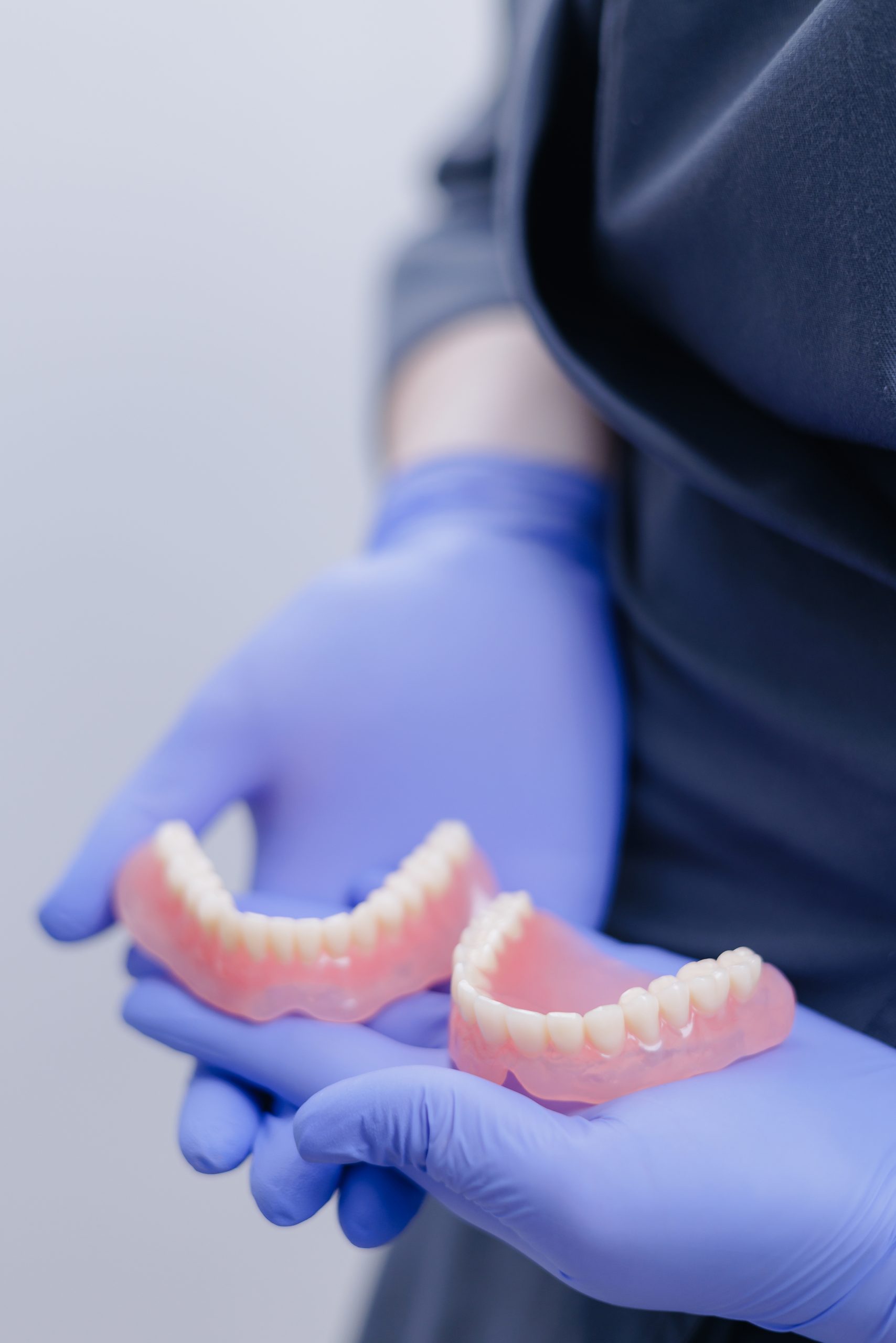
Our Oklahoma City, Oklahoma, dental office offers several types of dentures based on your oral health, the number of teeth you are missing, and your personal preferences. Options may include full dentures, partial dentures, and implant-supported dentures. Patients often tell us that understanding the differences between these options ahead of time makes the decision easier.
There is no single type of denture that works for everyone. We listen to what is bothering you, examine your mouth, and explain your choices so you can make an informed decision about your dental care.
Full Dentures in Oklahoma City, Oklahoma
If you have lost all of the natural teeth in your upper or lower jaw, full dentures may be an option…
Partial Dentures
If you still have several healthy teeth, partial dentures can replace missing teeth while allowing you to keep your remaining teeth…
Implant-Supported Dentures
Some denture wearers are concerned about movement or want more stability than a traditional denture provides…
Which Type of Denture May Be Right for You?
Choosing among the different types of dentures starts with an evaluation of your mouth. Dr. Londan Davis and our team consider your symptoms, remaining teeth, gums, bite, jawbone density, and treatment goals.
Depending on your needs, denture options may include:
- Full Dentures: Replace all natural teeth in an upper or lower arch.
- Partial Dentures: Replace missing teeth while working around healthy remaining teeth.
- Implant-Supported Dentures: Use dental implants to provide additional support for replacement teeth.
- Traditional Removable Dentures: Rest on the gums and can be removed for cleaning without dental implant placement.
Difficulty chewing, loose teeth, uncomfortable dentures, and concerns about your appearance can all help us understand what matters most to you.
The American College of Prosthodontists provides patient education about several approaches to replacing missing teeth. However, your exact treatment should be based on your individual oral health and needs rather than choosing an option based only on what you have read online.
Caring for Dentures and Your Oral Health
Whether you wear full dentures, partial dentures, or an implant-supported restoration, daily care remains important. Food and plaque can collect on artificial teeth, around remaining teeth, and along the gums.
Removable dentures should be cleaned according to the instructions we provide. Easy cleaning is one benefit of a removable design, but it still requires consistent care. Avoid trying to reshape or repair your denture at home.
If you have partial dentures, protecting your remaining natural teeth is especially important. Healthy teeth and gums help support your oral health and can affect how well your partial denture functions.
Your mouth can also change over time. Changes in bone and facial structure after tooth loss can affect how traditional removable dentures fit. If your denture begins slipping, rubbing, or creating sore areas, let us know. We can examine the fit and discuss whether an adjustment may help.
Regular dental care is still important for denture wearers. Visits allow us to examine your gums, soft tissues, bite, denture fit, and any remaining natural teeth.
Frequently Asked Questions
How do I know if I need full dentures or partial dentures?
The main difference is how many natural teeth remain and whether those teeth are healthy enough to keep. Full dentures replace an entire arch, while partial dentures fill spaces around remaining teeth. We examine your teeth, gums, bite, symptoms, and oral health before explaining which denture options may be appropriate for you.
Will I be able to eat normally with new dentures?
Eating with new dentures usually takes practice, since your mouth needs time to adjust to the shape and movement of your replacement teeth. We may suggest beginning with foods that are easier to manage before gradually adding more variety, and your adjustment depends on the type of denture, its fit, and your individual needs.
What should I do if my dentures become loose or cause sore spots?
Contact our team instead of trying to adjust the denture yourself. Your gums, bone, and other tissues can change over time, which may affect how a denture fits. We can examine your mouth and appliance to determine what is causing the discomfort and whether an adjustment or another solution may be appropriate.
Do I still need dental checkups if I have full dentures?
Yes, even without natural teeth, regular checkups give us an opportunity to examine your gums, soft tissues, bite, and denture fit. Denture wearers can still develop oral health concerns, and these visits also allow us to identify changes that could affect the comfort or function of your dentures.
How are implant-supported dentures different from traditional dentures?
A traditional denture generally rests on the gums and is removable, while implant-supported dentures connect to dental implants placed in the jaw for additional support. Some designs are removable and others remain attached, and your oral health, bone structure, and goals help us determine whether dental implants may be appropriate for you.
How much do dentures cost at Providence Dental?
Cost depends on the type of denture, such as full, partial, or implant-supported, and on your individual treatment needs, so there is no single price that fits every patient. Our team reviews an estimated cost with you during your consultation and can discuss payment options before you decide how to move forward.
Find a Denture Option That Fits Your Needs
Living with missing teeth, loose dentures, or difficulty chewing can affect your comfort and quality of life. You deserve to understand your choices without feeling pushed toward a specific treatment.
At Providence Dental, our Oklahoma City team will listen to your concerns and explain the benefits and limitations of your options. Whether you are considering partial dentures, a full set of dentures, or implant-supported replacement teeth, we want you to feel informed and comfortable with your decision. Whether you live in Oklahoma City, OK, or a nearby community such as Edmond, Norman, or Moore, we’re glad to help you find the right fit.
Call Providence Dental at (405) 691-0836 to schedule a denture consultation. We will evaluate your smile, answer your questions, and help you understand which denture options may make sense for you.