

Root Canal Treatment in Oklahoma City, Oklahoma
Severe tooth pain, lingering sensitivity to hot or cold, swelling, or pain when you bite can be signs of a problem inside a tooth. Sometimes these symptoms come from deep decay or a cracked tooth. In other cases, an infected tooth may cause few symptoms until the problem becomes more serious.
At Providence Dental, Dr. Londan Davis and our team provide root canal treatment with a calm, education-first approach. At our Oklahoma City, OK, dental office, we take time to identify the source of your symptoms and explain your options without pressure.
Root canal therapy removes infected or damaged tissue from inside the tooth while preserving the natural tooth when possible. The right treatment depends on what has caused the problem, how much healthy tooth structure remains, and the condition of the surrounding tissues.
Root Canals in Oklahoma City, Oklahoma
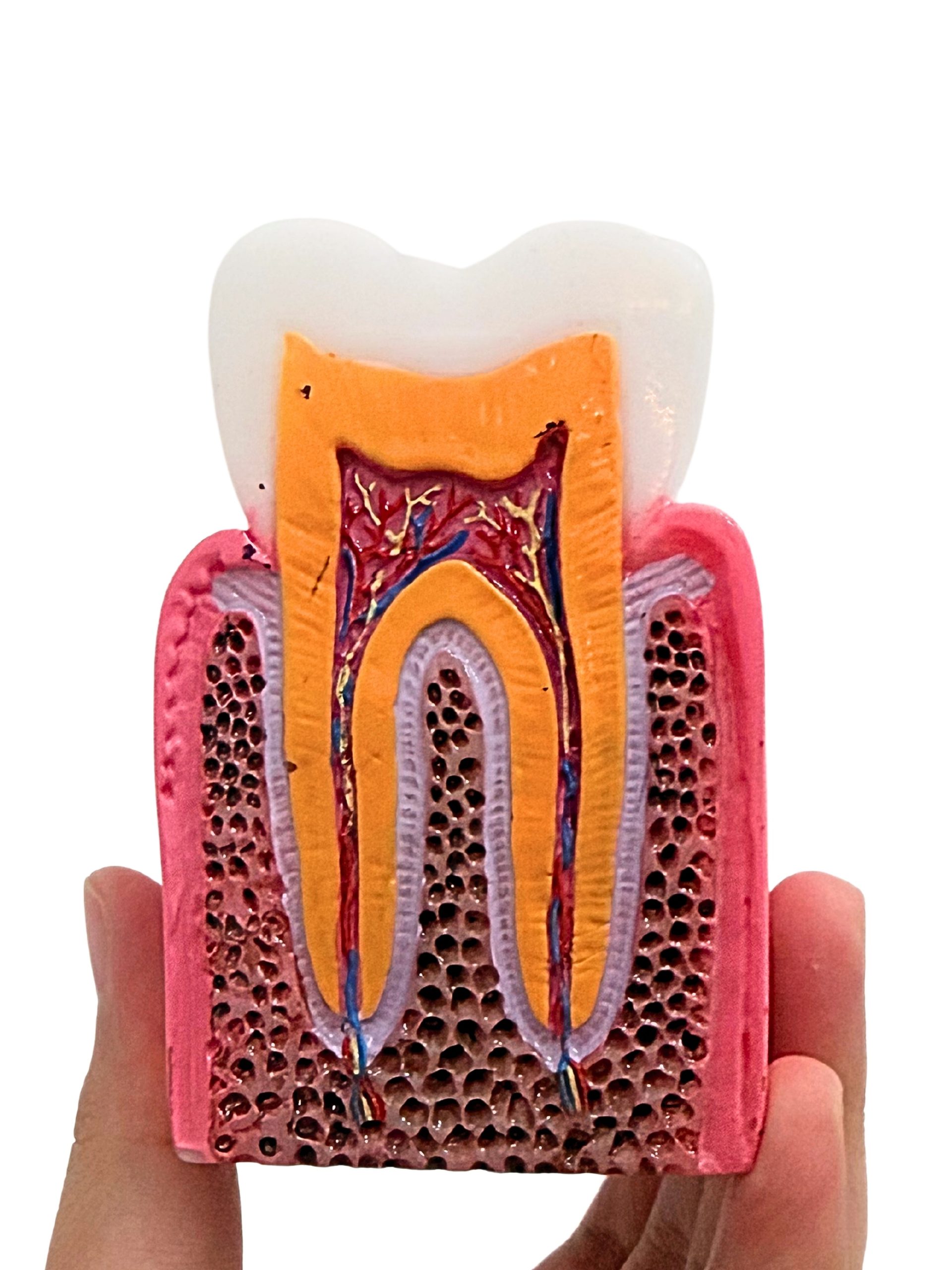
The center of a tooth contains an area called the pulp chamber. Inside is dental pulp made up of nerves, blood vessels, connective tissue, and other soft tissue. Deep decay, a deep cavity, repeated dental procedures, or an injury can cause inflammation or pulp damage.
When infected pulp cannot heal, root canal treatment may be recommended. Common warning signs include:
- Persistent Tooth Pain: Pain may occur on its own or become worse when you chew.
- Lingering Sensitivity: Hot or cold sensitivity may continue after the source is removed.
- Gum Swelling: Tenderness or swelling near the gum line can develop around an infected tooth.
- Pain When Biting: Pressure on a damaged tooth may cause sharp or aching discomfort.
- A Cracked Tooth: A crack can allow bacteria to reach the inside of the tooth.
These symptoms do not always mean that you need a root canal. We first examine the tooth and may take dental images to determine what is causing the problem.
The American Association of Endodontists provides education about root canal treatments and preserving natural teeth. Root canal therapy can often save a tooth that might otherwise need extraction, but treatment outcomes vary according to the condition of each tooth.
Non-Surgical Root Canal
Most root canal procedures are non-surgical. The goal is to reach the infected or inflamed tissue through the crown of the tooth rather than performing endodontic surgery.
We begin by examining the tooth and surrounding area. Dental imaging helps us evaluate the roots and bone. In some complex situations, cone beam CT imaging may provide additional information about the root tip or anatomy.
Local anesthetic is used to numb the treatment area. A dental dam may also be placed around the tooth to keep it isolated during treatment.
We then create a small opening and use small instruments to reach the pulp chamber. Damaged or infected pulp is removed, and the spaces inside the roots are cleaned and shaped. The canals are then filled and sealed.
A temporary filling may sometimes protect the tooth between stages of treatment. Once appropriate, a permanent filling or other final restoration is placed.
Many treated teeth also need a dental crown because the original decay, fracture, or previous dental work has weakened the remaining structure. Whether you need a permanent crown depends on the tooth, its location, and how much healthy structure remains.
Root canal treatments do not guarantee that a tooth will never develop another problem. With proper care and good oral hygiene, however, treatment can help preserve a natural tooth and restore useful function.
Cracked Teeth
A cracked or fractured tooth can cause symptoms that come and go. You may notice sharp tooth pain when chewing, sensitivity to temperature, or discomfort when releasing your bite. Because these symptoms are not always constant, a crack can be difficult to identify without an examination.
Not every fractured tooth requires root canal therapy. Treatment depends on where the crack begins, how far it extends, and whether it has reached the dental pulp.
If the crack has allowed bacteria to enter the pulp chamber, root canal treatment may be needed before the tooth is restored. A dental crown may then help protect the remaining tooth structure.
Some cracks extend too deeply for the tooth to be predictably restored. A fracture that travels far below the gum line or damages the root may lead to tooth loss. If the natural tooth cannot be saved, we can explain replacement options, including whether a dental implant could be considered.
At Providence Dental, Dr. Londan Davis evaluates the whole tooth before recommending treatment. Our goal is to preserve healthy tooth structure when appropriate while being clear when a tooth has a poor outlook.
When Tooth Pain Needs Prompt Attention
Dental pain can change quickly. Severe pain, increasing gum swelling, drainage, or facial swelling should be evaluated promptly.
An infected tooth can sometimes stop hurting when nerve tissue dies, but that does not necessarily mean the infection has resolved. A root canal infection may continue to affect tissues and bone around the tooth.
Over-the-counter pain relievers may provide temporary relief for some patients when used according to directions and when medically appropriate, but they do not remove infection from inside the tooth.
If you develop significant facial swelling, difficulty swallowing or breathing, fever with worsening swelling, or other serious symptoms, seek urgent medical or dental care. These symptoms require more immediate attention than a routine dental appointment.
Caring for a Treated Tooth
Some tenderness after root canal therapy can be normal. We will provide instructions based on your specific dental procedure and restoration.
If you have a temporary filling, take care when chewing until the tooth receives its recommended final restoration. Completing a permanent filling or permanent crown is an important part of protecting the treated tooth.
Continue brushing, flossing, and maintaining good oral hygiene after treatment. Regular dental visits also allow us to monitor the treated tooth and surrounding tissues. Patients often tell us that finishing the recommended restoration gives them confidence the tooth is fully protected.
In some cases, additional care may be necessary. A root canal specialist, called an endodontist, has advanced training in treating the dental pulp and tooth roots. Complex anatomy, persistent infection, previous root canal treatment, or other concerns may require referral to a dental specialist.
A small number of cases may require endodontic surgery or surgical root canal therapy to address a problem near the root tip that cannot be managed with a standard non-surgical approach. We will explain if specialist evaluation is appropriate rather than recommending more treatment without a clear reason.
Frequently Asked Questions
How do I know if I need a root canal instead of a filling?
A dental filling can repair tooth decay that has not seriously damaged the pulp. Root canal therapy may be necessary when inflammation or infection has reached the tissue inside the tooth. We consider your symptoms, dental images, remaining tooth structure, and examination findings before recommending either treatment.
What happens if an infected tooth is not treated?
Infection inside a tooth can spread into the tissues surrounding the root and may contribute to pain, swelling, or bone loss. Over time, the tooth may become more difficult to save. Depending on its condition, treatment could involve root canal therapy or extraction followed by consideration of a replacement such as a dental implant.
How long does a root canal appointment usually take?
The length of a root canal appointment depends on the tooth, the number and shape of its canals, and the complexity of the infection. Some root canal treatments can be completed in one visit, while others may require additional care. We will explain the expected treatment steps before beginning your procedure.
How soon can I eat after a root canal?
You should wait until the numbness from local anesthesia has worn off before chewing so you do not accidentally bite your cheek, lip, or tongue. If the tooth has a temporary filling or still needs a permanent restoration, we may also recommend avoiding hard or sticky foods on that tooth until treatment is complete.
How much does root canal treatment cost at Providence Dental?
Cost depends on which tooth is being treated, the complexity of the canals, and whether a crown or other restoration is needed afterward. Our team reviews an estimated cost with you after your evaluation and discusses payment options before treatment begins.
Get Help for Tooth Pain at Providence Dental
A painful tooth can make it difficult to eat, sleep, and get through your day. You do not have to determine whether the problem is a deep cavity, fractured tooth, infected pulp, or something else before asking for help.
Our Oklahoma City team will evaluate your symptoms, explain what we find, and discuss whether root canal treatment or another approach may help. We also welcome patients from Edmond, Norman, Moore, and surrounding Oklahoma communities. We focus on preserving your natural tooth when appropriate while giving you clear information about the benefits and limitations of treatment.
If you have severe tooth pain, lingering sensitivity, swelling, or a cracked tooth, call Providence Dental at (405) 691-0836 to schedule an evaluation. Our team will listen to what you are experiencing, identify the source of the problem, and help you understand the next step toward protecting your tooth and getting comfortable again.