
Oral Surgery in Oklahoma City, Oklahoma
Severe tooth pain, swelling, a badly damaged tooth, or pressure from wisdom teeth can make it difficult to eat, sleep, or focus on your day. When these problems cannot be managed with routine dental care, oral surgery may be considered.
Dr. Londan Davis and our team at Providence Dental take a calm, thoughtful approach to these concerns. Our Oklahoma City, OK, office evaluates your symptoms, explains what we see, and helps you understand the next step without pressure. Depending on your needs, treatment may involve a tooth extraction, wisdom teeth removal, or referral to an oral surgeon for more complex surgical procedures.
Our goal is to protect your oral health while keeping patient comfort at the center of your care. Not every painful tooth needs dental surgery, and not every oral condition can be treated in a general dentist’s office. A careful evaluation helps us determine the appropriate approach.
Tooth Extractions in Oklahoma City, Oklahoma
Whenever possible, we want to preserve your natural teeth. However, tooth extractions may become necessary when keeping a tooth could cause additional problems.
A tooth may need to be removed because of extensive tooth decay, a severe fracture, advanced gum disease, infection, or another condition that has damaged it beyond repair. In some cases, an extraction may also be considered when there is not enough room in the mouth.
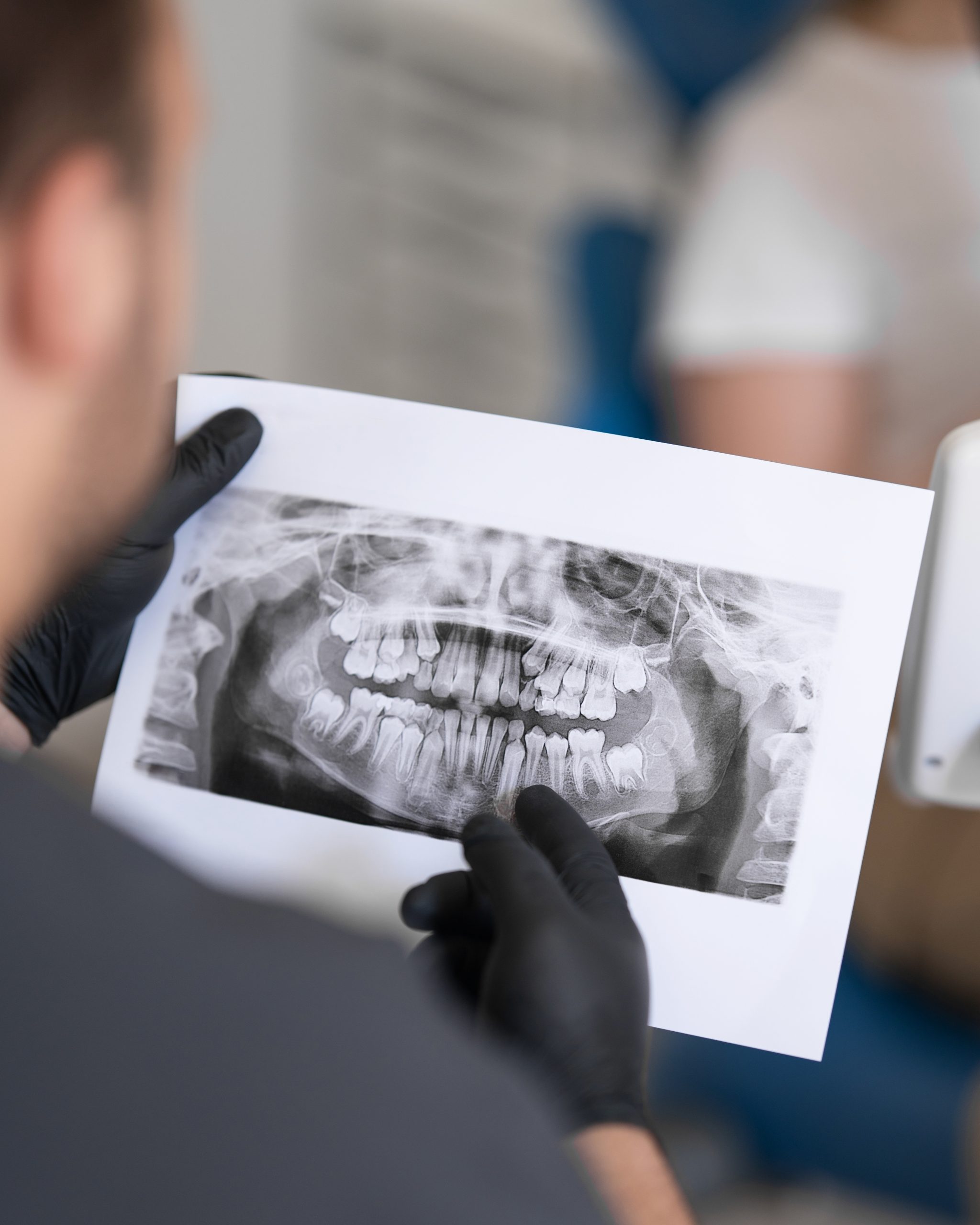
Before recommending treatment, we examine the affected area and may use dental imaging to learn more about the tooth, its roots, and nearby structures. We will explain why removal may be recommended and whether other options are available.
Local anesthesia is commonly used to numb the treatment area during an extraction. Your exact experience depends on the location and condition of the tooth and the type of surgery needed. We will also discuss appropriate comfort measures and aftercare before treatment begins.
Wisdom Teeth Removal
Wisdom teeth, also known as third molars, usually develop toward the back of the mouth. Some people have enough room for them to come in without causing significant concerns. Others may experience pain, swelling, infection, or crowding around a wisdom tooth.
Signs that wisdom teeth may need evaluation include:
- Pain or Pressure: Discomfort may develop near the back of the upper or lower jaw.
- Swelling: Gum tissue around a wisdom tooth may become swollen, tender, or difficult to clean.
- Signs of Infection: Redness, drainage, a bad taste, or worsening discomfort should be evaluated.
- Difficulty Cleaning: Partially erupted wisdom teeth may create spaces where food and bacteria collect.
- Damage to Nearby Teeth: The position of a wisdom tooth can sometimes affect the tooth beside it.
Wisdom teeth removal is not automatically necessary for everyone. We consider symptoms, tooth position, oral health, and imaging before making a recommendation. If wisdom tooth removal requires care beyond what is appropriate in our office, we can discuss referral to an oral surgeon.
When an Oral Surgeon May Be Needed
An oral surgeon is a dental specialist with advanced education in oral and maxillofacial surgery after dental school. Oral and maxillofacial surgeons treat conditions involving the teeth, jaws, mouth, face, and related structures.
While a general dentist can perform many common procedures, maxillofacial surgeons manage more complex conditions and surgical procedures. These may include difficult extractions, certain dental implant procedures, significant bone grafting, facial trauma, jaw surgery, and other advanced surgical needs.
Corrective jaw surgery may be used for certain problems with jaw alignment. This is much more complex than a routine tooth extraction and requires care from a properly trained specialist. If your needs fall outside the care we provide, we will explain why a referral is appropriate. Good care sometimes means knowing when another healthcare provider has the specific training your condition requires.
Oral Surgery and Dental Implants
Tooth loss can affect chewing, appearance, and quality of life. Dental implants are one option for replacing missing teeth. A dental implant is placed within the jaw and can support a crown or another type of tooth replacement after appropriate healing.
Dental implant placement requires careful planning. We consider your oral health, medical history, available bone, and other factors before discussing whether implants may be an option.
Some patients have bone loss that can affect implant placement. In these situations, bone grafting may be considered to improve the available bone in a specific area. A bone graft is not necessary for every patient, and treatment needs vary.
Depending on the complexity of dental implant placement or bone grafting, an oral surgeon may be involved. We will explain how your treatment is expected to proceed and who will provide each part of your care.
Comfort During Oral Surgery
Feeling nervous about oral surgery is common. We want you to know what to expect before any dental procedure begins.
Local anesthesia can numb the affected area during many procedures. Other sedation options may be considered depending on the procedure, your medical history, and the setting where treatment takes place. More advanced forms of sedation or general anesthesia require appropriate training, equipment, and monitoring and may be provided in a specialist setting when needed.
Providence Dental also uses advanced technology when it can provide useful information for diagnosis and treatment planning. Technology does not replace clinical judgment, but imaging can help us better understand the position of teeth and surrounding structures.
Dr. Londan Davis and our team will discuss comfort options that apply to your treatment rather than assuming every patient needs the same approach. Patients often tell us that a clear, personalized plan makes the experience far less stressful than they expected.
Recovery After Dental Surgery
Recovery varies depending on the surgical intervention performed. A routine extraction may have a different recovery period than wisdom teeth removal, bone grafting, or more involved maxillofacial surgery.
After treatment, follow the instructions provided by our team or your oral surgeon. These instructions may cover eating, brushing, activity, medication, and caring for the surgical site. Ice packs may sometimes be recommended for swelling after certain procedures.
Some soreness and swelling can occur after oral surgery, but symptoms should generally follow the expected recovery pattern explained by your healthcare provider. Contact the treating office if you develop severe pain, worsening swelling, persistent bleeding, signs of infection, or another symptom that concerns you.
For potentially life-threatening symptoms, serious facial trauma, uncontrolled bleeding, or difficulty breathing, seek appropriate emergency medical attention.
Frequently Asked Questions
How do I know if a tooth needs to be extracted?
Pain alone does not always mean a tooth needs removal. We first evaluate the tooth, surrounding tissues, symptoms, and imaging when needed. An extraction may be considered for extensive tooth decay, severe damage, infection, advanced gum disease, or another problem that prevents the tooth from being predictably restored.
Does everyone need to have their wisdom teeth removed?
No. Some wisdom teeth come in normally and remain healthy without causing problems, while others cause pain, infection, damage to nearby teeth, or difficulty cleaning the area. We evaluate each patient’s symptoms and imaging before discussing whether removal may be appropriate.
How long does it take to recover from an extraction?
Recovery time depends on the tooth, the complexity of the extraction, your overall health, and how your body heals. Some patients return to many normal activities relatively quickly, while more complex procedures require additional recovery. Following aftercare instructions and contacting us about unusual symptoms can help support appropriate healing.
What can I eat after a tooth extraction?
After an extraction, we may recommend softer foods while the treatment area begins to heal. Avoiding foods that could irritate the surgical site may also be important. Your instructions can vary based on the extraction, so our team will explain what to eat, how to care for the area, and when you can return to your usual diet.
How much does oral surgery cost at Providence Dental?
Cost depends on the specific procedure, such as a routine extraction versus wisdom teeth removal or a referral for specialist surgery. Our team reviews an estimated cost with you during your evaluation and discusses payment options before any treatment begins.
Know Your Next Step With Providence Dental
Severe pain, swelling, damaged teeth, and wisdom teeth problems should not leave you wondering what to do. An evaluation can help determine whether your symptoms can be managed with routine treatment, require oral surgery, or would be better treated by an oral and maxillofacial specialist.
At Providence Dental, our Oklahoma City team focuses on clear information and a pleasant experience without high-pressure treatment. We also welcome patients from Edmond, Norman, Moore, and surrounding Oklahoma communities. Our friendly staff will listen to your concerns, evaluate the problem, and explain the available options. If specialist care is the right choice, we will be straightforward about that as well.
Call Providence Dental at (405) 691-0836 to schedule an evaluation for tooth pain, wisdom teeth concerns, damaged teeth, or other oral surgery needs. Our team will take the time to identify the problem, explain your options, and help you move forward with greater peace of mind.